 07933445988
 Call Us Now!020 37450854
07933445988Call Us Now!020 37450854
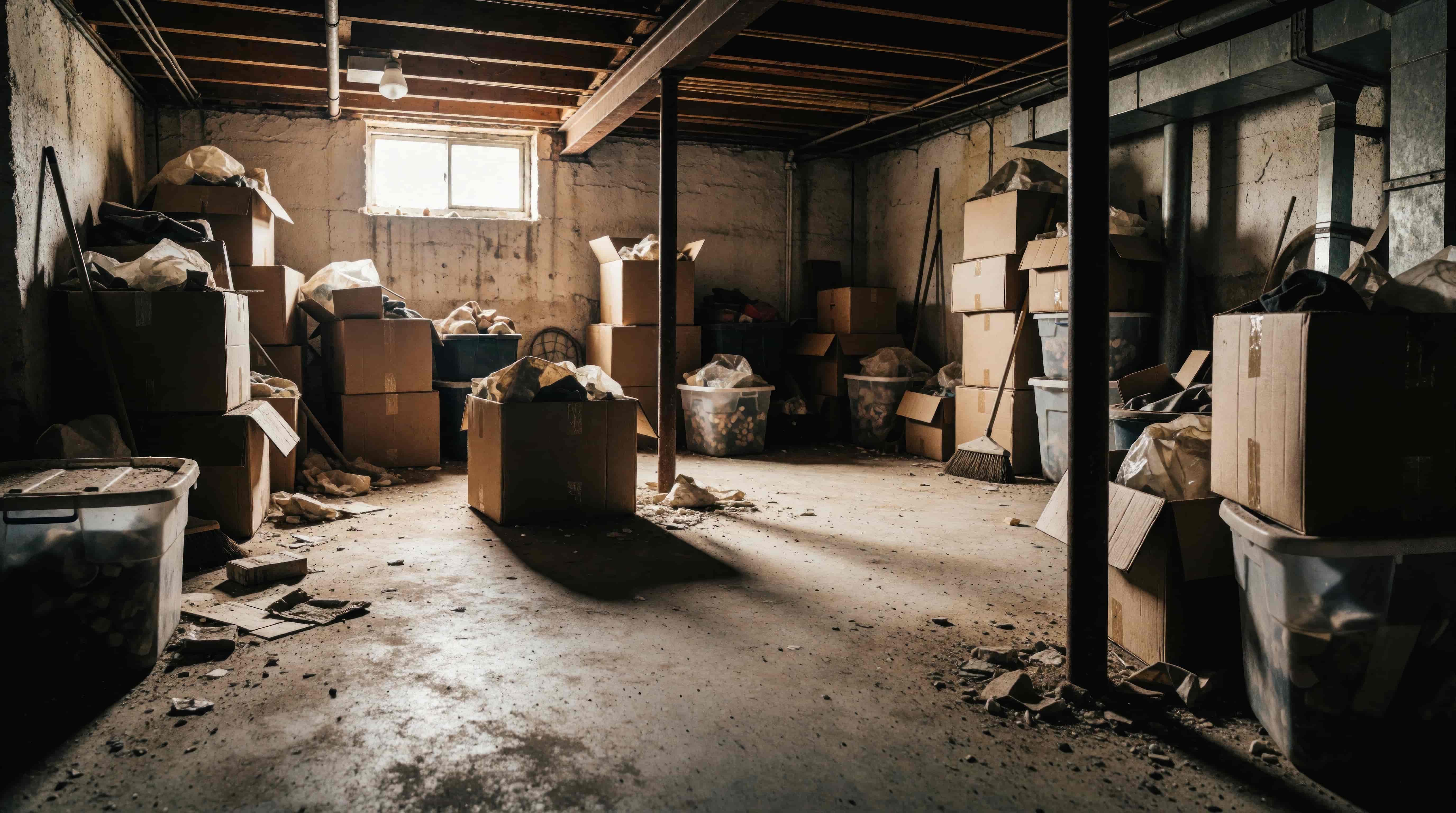
Clearing a basement in London is one of those jobs that starts simply enough — a few old boxes, a broken chair, some forgotten sports equipment — and quickly becomes a weekend-consuming, back-straining ordeal. Whether you're reclaiming space for a home renovation, preparing a property for sale or letting, or simply tackling years of accumulated clutter, a London basement clearance requires more planning than most people expect.
This guide covers everything you need to know: how to approach the clearance systematically, what to do with different types of items, how to dispose of waste legally, and when hiring a professional rubbish clearance team in London makes more sense than going it alone.
The fastest and safest approach to basement clearance in London is to sort items into keep, donate, recycle, and dispose categories, then remove heavy furniture first, separate electricals for WEEE disposal, and use licensed waste collection for the rest. For most full basements, a professional same-day service is faster and often more cost-effective than DIY.
London properties — particularly Victorian and Edwardian terraces and period conversions — often have deep, cavernous basements that become default storage zones. Because they're out of sight, they're out of mind. Over the years, these spaces collect:
The result is a dense, sometimes hazardous space that's genuinely difficult to clear without a structured plan.
Before moving a single box, spend 30 minutes walking through the space with a notepad or your phone. Record:
This assessment determines whether you can realistically self-clear or whether you need professional help. It also helps you get accurate quotes if you choose to hire a clearance company.
Expert Tip: If your basement was used for storage before 2000 and has ceiling tiles or pipe lagging, do not disturb these materials until you've had an asbestos survey. Artex, old insulation, and floor tiles can all contain asbestos. A licensed surveyor can advise you in under a day.
The most efficient basement clearance follows the four-box method — except you'll want large areas or zones rather than literal boxes:
| Category | Action |
|---|---|
| Keep | Items you genuinely use and want to retain |
| Donate / Sell | Good-condition items with resale or charity value |
| Recycle | Paper, cardboard, metals, electronics (WEEE) |
| Dispose | Broken, unusable, or heavily damaged items |
Be ruthless. If something has been sitting in your basement for over two years and you haven't needed it, the chances are you never will.
Old furniture is usually the most physically demanding part of a London basement clearance. Sofas, wardrobes, mattresses, and dining tables are heavy, awkward, and often too large for a standard rubbish bin or council collection.
Your options for old furniture removal in London:
Cardboard boxes are easy to overlook because they seem manageable — but a basement full of them adds up fast. Here's how to handle them efficiently:
Old televisions, washing machines, microwaves, fridges, and small electricals cannot be placed in standard rubbish. Under the UK Waste Electrical and Electronic Equipment (WEEE) Regulations, these must be disposed of through proper channels:
Basements frequently contain items that cannot simply be bagged and binned:
For mixed-risk loads, booking a licensed hazardous waste disposal and collection service can simplify compliance and reduce risk.
Failing to dispose of hazardous waste correctly is not only environmentally damaging — it can also result in fines from your local authority.
Once the basement is empty, take the opportunity to:
Choosing the right service type helps reduce cost and avoid delays:
| Basement clearance need | Most suitable service type |
|---|---|
| Mixed household clutter and black bags | Household waste removal |
| Heavy or awkward sofas, wardrobes, tables | Furniture removal |
| Fridges, freezers, and small electricals | WEEE disposal and recycling |
| Paint, chemicals, or potentially dangerous items | Hazardous waste disposal and collection |
| Urgent move-out or sale deadline | Same-day rubbish removal |
Many London homeowners and landlords underestimate how long a basement clearance takes. Here's an honest breakdown:
| Factor | DIY Clearance | Professional Clearance Service |
|---|---|---|
| Cost | Lower upfront (van hire, dump fees) | Fixed quote, no hidden costs |
| Time | 1–3 days for a full basement | Same-day or next-day completion |
| Physical effort | High — heavy lifting, multiple trips | Handled entirely by the team |
| Waste disposal compliance | Your responsibility | Fully managed and legal |
| Skip permit required? | Often yes, for London streets | No — waste is loaded directly into the vehicle |
| Ideal for | Small amounts of rubbish, able-bodied individuals | Large volume, heavy items, time-sensitive clearances |
Consider booking a professional rubbish clearance team when:
If your basement includes multiple bulky items, a specialist furniture removal service can make the job faster and safer.
Costs vary depending on the volume of waste, type of items, and access to the property. As a general guide:
| Volume | Approximate Cost |
|---|---|
| ¼ van load (small amount of rubbish) | £80–£130 |
| ½ van load | £150–£220 |
| Full van load | £280–£380 |
| Full basement clearance (multiple loads) | £350–£600+ |
These are indicative figures. A reputable London clearance company will always provide a free, no-obligation quote before starting work. Always check that the company holds a valid Waste Carrier Licence issued by the Environment Agency — this is a legal requirement for any business transporting waste in the UK.
Important: If someone offers to clear your basement for cash at a suspiciously low price and removes the items in an unmarked van, they may be fly-tippers. Fly-tipping is illegal, and the waste can be traced back to you as the property owner. Always use a licensed waste carrier.
Use this checklist to ensure nothing is missed:
A small basement with boxes and light items can often be cleared in half a day. A large basement with heavy furniture, appliances, and high volumes of waste usually takes a full day or more. In many cases, a professional clearance team can complete the work in 2 to 4 hours depending on access and load size.
Yes, old furniture can go in a skip. In London, though, placing a skip on a public road requires a council permit, which adds cost and can delay start times. A wait-and-load style rubbish clearance service avoids skip permits and is usually quicker for basement jobs.
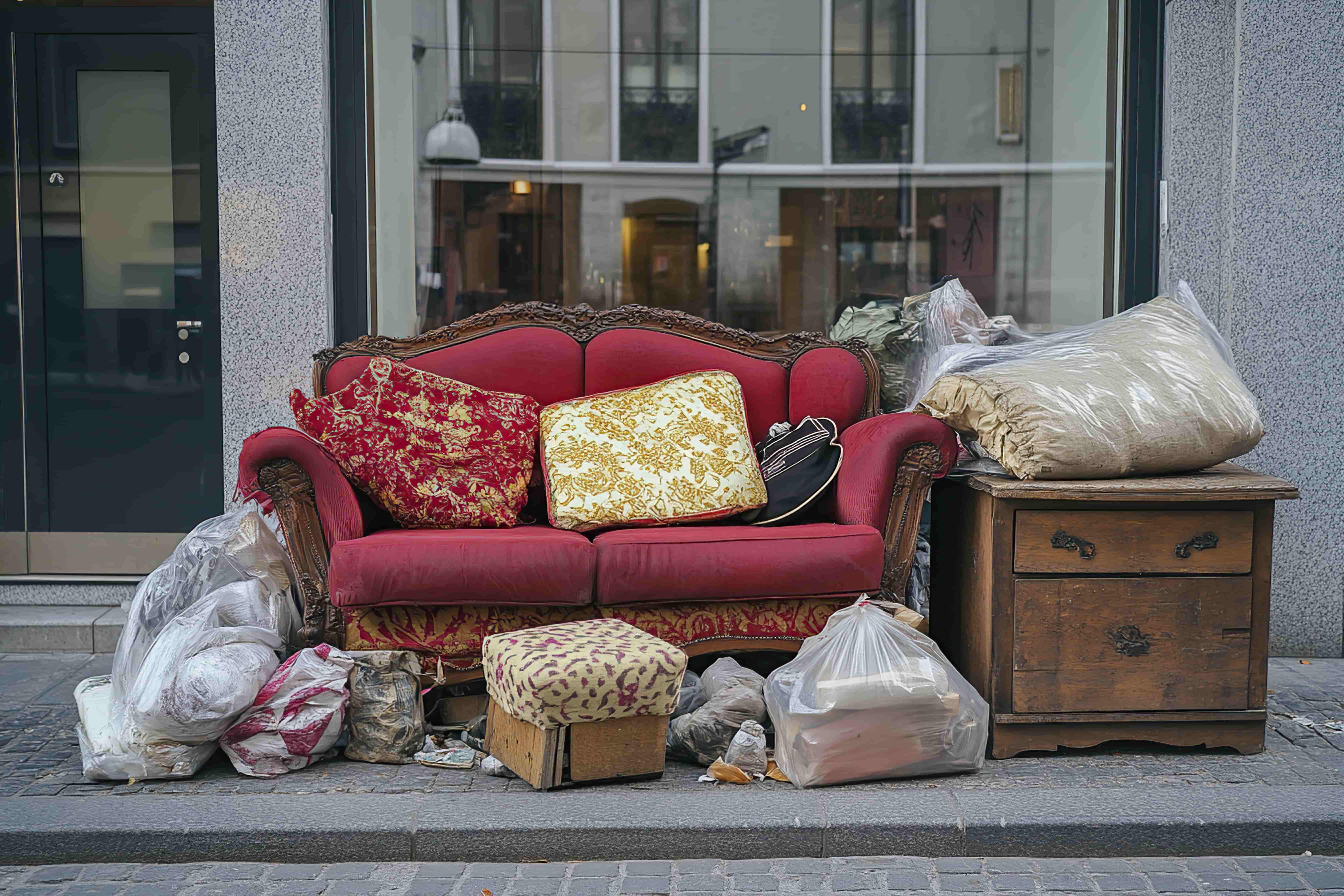
Leaving furniture on the pavement without booking a bulky waste collection is considered fly-tipping and is illegal. Your council can issue a fixed penalty notice. Always book a proper collection or use a licensed clearance company.
Typical basement clearance costs in London range from around £80 for very small loads to £600+ for full, multi-load clearances with bulky furniture and appliances. Final pricing depends on volume, access, item type, and whether specialist disposal is required.
Yes, same-day basement clearance is often available across London, especially for standard household loads. Availability depends on your borough, parking and access restrictions, and total waste volume.
A reputable London clearance company sorts waste at a licensed facility, recycling and reusing as much material as possible. You should receive a waste transfer note confirming your waste has been legally disposed of.
Not necessarily. Many London clearance companies can complete the job with a key-holder present or by prior arrangement. Discuss access requirements when booking.
Look for a company that holds a current Environment Agency Waste Carrier Licence, provides transparent pricing, offers a free quote, and has verifiable reviews from London customers.
Whether you're facing a towering mountain of boxes or a basement full of old furniture and broken appliances, you don't have to tackle it alone. A trusted household waste removal and disposal service can clear the space quickly and legally, with transparent pricing and same-day availability in many London boroughs.
Get a free, no-obligation quote today and reclaim your basement by tomorrow.
👉 Request a Free Basement Clearance Quote
London Rubbish Clearance is a fully licensed waste carrier operating across all London boroughs. We handle furniture removal, box clearance, white goods disposal, and complete basement clearances — legally, responsibly, and efficiently.
Get a fast, free, no-obligation quote — same-day collection available across Greater London.