
 07933445988
 Call Us Now!020 37450854
07933445988Call Us Now!020 37450854
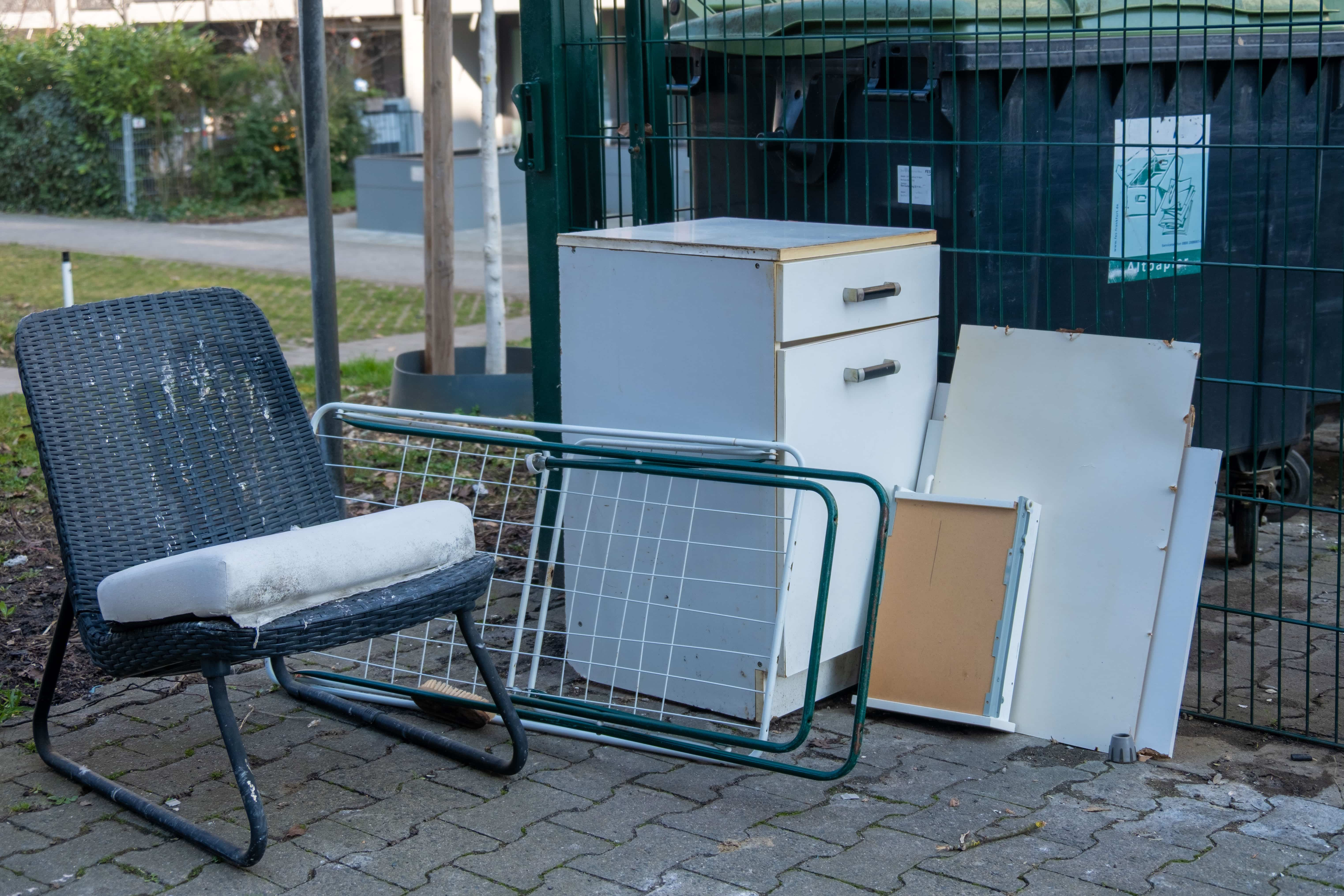
Being a landlord in London is rarely straightforward — and few situations are more frustrating than discovering that a departing tenant has left behind a mountain of belongings, furniture, or rubbish. Whether it's a full flat of abandoned furniture or a few bags of clothing left in a rush, knowing exactly what to do — legally, practically, and quickly — can mean the difference between a smooth re-let and a costly, stressful delay.
This guide is designed specifically for London landlords navigating the challenge of abandoned tenant property. We cover your legal obligations, the fastest clearance options, what items can be donated or recycled, and how to choose a professional house clearance service that protects you and gets your property market-ready fast.
If a tenant leaves belongings behind, the best-practice order is:
For most landlords, this approach balances legal protection, speed, and cost control.
London's rental market is one of the most active and transient in the world. With millions of tenants moving in and out of properties each year — across boroughs from Hackney and Lambeth to Ealing and Enfield — the sheer volume of tenancy turnovers means abandoned belongings are an everyday reality for many landlords and letting agents.
Tenants leave items behind for many reasons:
Whatever the reason, the items are now your problem to manage — and how you handle them has legal and financial implications.
In practical terms, landlord priorities are usually the same across boroughs: legal compliance, fast turnaround, and low re-letting delay. However, access constraints (controlled parking zones, narrow streets, permit restrictions, and timed loading bays) can materially affect clearance speed in areas such as Westminster, Camden, Islington, and Kensington.
Before you book a clearance van or start throwing things in a skip, you must understand the legal framework surrounding abandoned tenant property in England.
Under this legislation, landlords cannot simply dispose of items left behind by tenants without following a formal process. Failing to comply could expose you to a civil claim from your former tenant.
Here's what the law requires:
Key takeaway: Do not simply bin or sell tenant belongings without following this process. Even if you're confident the tenant has "abandoned" the property, the law still requires you to attempt contact and provide notice.
Property is generally considered abandoned when:
For higher-value items — electronics, jewellery, vehicles, or large amounts of clothing — exercise greater caution and seek legal advice if needed.
Conduct a thorough property inspection as soon as the tenancy ends. Photograph everything systematically. Note which items have potential value and which are clearly waste.
Send a written notice (email and recorded post) to:
Keep copies of all correspondence.
Use this framework to plan your next steps:
| Category | Examples | Action |
|---|---|---|
| High-value items | Electronics, jewellery, documents | Store securely, longer notice period |
| Furniture & white goods | Sofas, fridges, beds | Donate, sell, or professionally clear |
| Clothing & personal effects | Bags, clothes, toiletries | Store, donate to charity |
| Clear rubbish & waste | Food, broken items, packaging | Dispose of immediately (this is not "property") |
| Hazardous materials | Chemicals, paint, batteries | Specialist disposal required |
A minimum of 14 days is standard. Give 28 days for anything of likely sentimental or financial value.
Once the notice period has elapsed with no response, you're legally in a much stronger position to proceed with a full clearance. This is when a professional household waste removal and clearance service becomes invaluable, as the team can strip the property of furniture, appliances, and general rubbish in a single visit.
A licensed house clearance company is by far the most efficient and stress-free option for London landlords. A reputable service will:
Average cost in London: £150–£600+ depending on property size and volume of items.
This option protects you legally (proper disposal documentation), saves time, and helps you get the property back on the market faster — which is critical in a competitive London rental market.
Looking for a fast, reliable clearance? London Rubbish Clearance offers same-day and next-day house clearances across all London boroughs.
Many items left behind — furniture, clothing, kitchenware — are perfectly usable and can be donated to London-based charities. Some organisations even offer free collection for quality items:
Donating diverts items from landfill, can count towards your environmental responsibilities, and is free or low-cost.
If you have higher-value items and time permits, consider listing them on:
Practical consideration: This approach takes time and coordination. For landlords wanting to minimise void periods, it may not be practical.
A skip can be a cost-effective option for large volumes of general waste — but comes with important limitations:
Skip hire in London typically costs £150–£400 depending on skip size and borough. If the permit and loading hassle outweighs the saving, a wait and load skip hire alternative removes the same volume of waste without a permit, with the crew doing all the lifting.
Most London boroughs offer a bulky waste collection service for residents. However:
For landlords managing multiple properties or needing a fast turnaround, council collections are rarely practical.
Every day your London rental property sits empty costs money. Consider:
A professional house clearance costing £300–£500 pays for itself within 3–5 days of avoided void. For landlords managing multiple properties, a fast-turnaround clearance partner is a genuine business asset. Our guide to clearing an empty rental property in London breaks down how to compress that turnaround even further.
Some items require specialist disposal and cannot be placed in a standard skip or household bin. Be aware of:
| Item | Disposal Requirement |
|---|---|
| Asbestos | Licensed specialist contractor only |
| Fluorescent tubes / light fittings | WEEE-compliant recycling |
| Fridges & freezers | Specialist removal (refrigerant gases) |
| Mattresses | Specialist recycling centres |
| Tyres | Licensed tyre recycler |
| Paint & chemicals | Hazardous waste facility |
| Electrical items (WEEE) | Registered recycler or retailer take-back |
A professional house clearance company will handle these items correctly and provide documentation — protecting you from potential Environment Agency fines, which can reach £5,000 or more for illegal dumping. Fridges, freezers, washing machines, and cookers in particular must go through a licensed white goods disposal and recycling route because of their refrigerant gases and WEEE components.
Not all clearance companies are equal. When choosing a provider, verify the following:
London Rubbish Clearance meets all of the above criteria and specialises in fast, fully licensed clearances for landlords, letting agents, and property managers across London.
While you can't always prevent tenants from leaving items behind, these steps reduce the risk and simplify the process when it does happen:
Not immediately. Under the Torts (Interference with Goods) Act 1977, you must notify the tenant in writing and allow a reasonable period (typically 14–28 days) for collection before disposing of items. Clear rubbish and perishables that have no value can be removed immediately.
There is no fixed statutory period, but 14 days is generally considered the minimum. For items of significant value, 28 days is safer. Always document your attempts to contact the tenant.
In most cases, the landlord pays upfront and then seeks to recover costs from the tenant's deposit via the tenancy deposit scheme (TDS, DPS, or MyDeposits). If the deposit is insufficient, you may need to pursue the tenant through the small claims court.
Many professional companies, including London Rubbish Clearance, offer same-day or next-day clearances across London, making it possible to turn a property around rapidly.
Not without following the proper legal process. You must attempt to notify the tenant and hold any proceeds from sold items (minus reasonable costs) for them. Keeping or selling items without following due process could expose you to legal liability.
Reputable clearance companies sort items for reuse, donating usable furniture, clothing, and household goods to local charities. This reduces landfill waste and supports community causes — which some landlords find worth highlighting to future tenants.
London's rental market moves fast. Having a reliable house clearance partner means you can move just as fast — keeping your properties profitable and your tenants (and former tenants) dealt with professionally.
Don't let abandoned belongings delay your next tenancy. London Rubbish Clearance provides fast, fully licensed, and competitively priced house clearance services for landlords, letting agents, and property managers across all London boroughs.
Get a free, no-obligation quote today and get your property market-ready in as little as 24 hours.
👉 Book a void property clearance
London Rubbish Clearance is a fully licensed waste carrier operating across Greater London. We specialise in end-of-tenancy clearances, house clearances, and property clearances for landlords and letting agents.
Get a fast, free, no-obligation quote — same-day collection available across Greater London.