 07933445988
 Call Us Now!020 37450854
07933445988Call Us Now!020 37450854
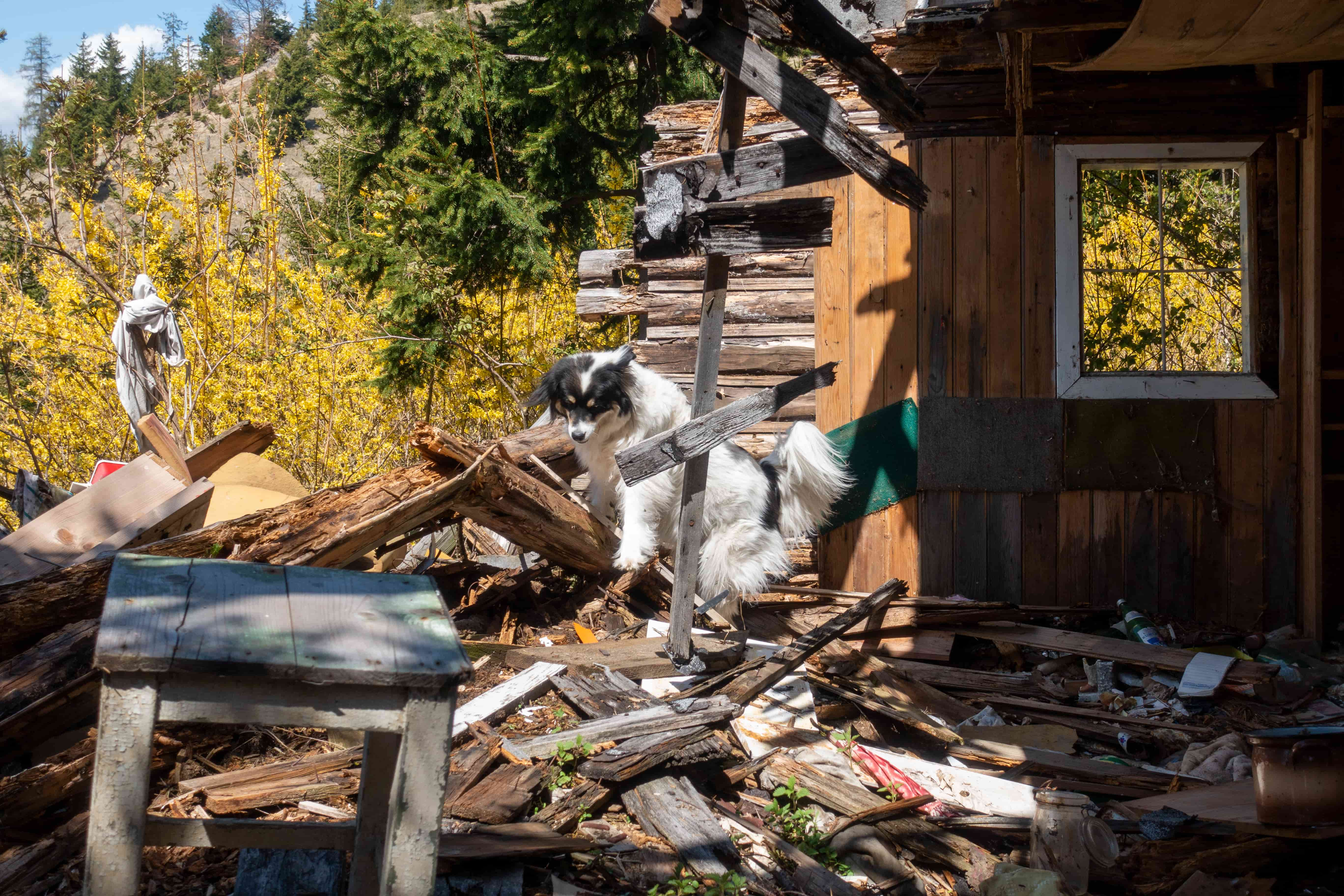
If you've been meaning to tackle that overflowing shed for months — or even years — you're far from alone. Across London, from Enfield to Croydon and Hackney to Hounslow, garden sheds have quietly become dumping grounds for broken tools, leftover timber, old paint tins, rusting garden furniture, and items that were "definitely going to be useful one day." That day rarely comes.
This guide is your complete resource for shed clearance in London. Whether you're planning a DIY clearance, preparing a property for sale or rental, or considering a professional junk removal service, you'll find everything you need to clear your shed quickly, safely, and responsibly.
Quick answer: Shed clearance in London means sorting and removing everything stored in a garden shed — tools, timber, paint, garden chemicals and general clutter — and sending each item to the correct legal disposal or recycling route. A typical shed clearance costs £50–£350 depending on the size of the load, takes a two-person team around 1–2 hours, and should only be carried out by a registered waste carrier.
At first glance, clearing a shed sounds straightforward. Open the door, load a van, job done. In practice, most London homeowners discover several complications:
Understanding these challenges upfront prevents costly mistakes and ensures your clearance is both legal and environmentally responsible.
To plan an effective clearance, it helps to categorise what you're dealing with. Here's what professional shed clearance teams in London encounter most frequently:
Don't open the shed door and start pulling things out at random. Allocate at least half a day for a medium-sized shed, a full day for a large or heavily packed one. Gather boxes, bags, and labels beforehand. Have a clear sorting system in mind.
Use the following four-category system:
| Category | What Goes Here | Next Step |
|---|---|---|
| Keep | Items in good condition you genuinely use | Organise back into shed or home storage |
| Donate or Sell | Tools, equipment in working order | Charity shops, Facebook Marketplace, Freecycle |
| Recycle | Metal, clean timber, cardboard | Local household waste centre or recycling collections |
| Dispose | Broken items, hazardous waste, unusable materials | Professional junk removal or specialist disposal |
Set hazardous materials aside immediately and do not mix them with general waste. In London, you cannot legally fly-tip or put hazardous waste in household bins. Most London boroughs offer dedicated hazardous waste disposal days or drop-off points — check your local council's website for details, or book a licensed hazardous waste disposal and collection service.
Key rule: Old paint tins, pesticides, aerosols, motor oil, and solvents must be disposed of separately through approved channels.
If your shed was built before 2000, particularly if it has corrugated roof panels or cement board walls, there is a possibility it contains chrysotile (white asbestos). In line with Health and Safety Executive (HSE) guidance, do not break, drill or remove materials you suspect may contain asbestos. Contact a licensed asbestos surveyor for an assessment before proceeding.
Once you've sorted and assessed your shed contents, you'll have a clear picture of the volume, weight, and complexity of what needs to go. This is the point at which many London homeowners decide to call in professionals — particularly when there's bulk timber, multiple large items, or hazardous materials involved.
Pros:
Cons:
Pros:
Cons:
Verdict: For small sheds with only light items and no hazardous materials, DIY can be practical. For most London sheds — especially those with timber, tools, chemicals, or bulk items — professional clearance is faster, safer, and often more cost-effective when you factor in your time, vehicle hire, and tip fees.
Shed clearance in London typically costs £50 to £350. Most companies, including London Rubbish Clearance, price by the volume of waste loaded onto the van rather than by shed size. Here is a realistic breakdown based on our published London prices:
| Typical Shed Contents | Van Load (Approx. Volume) | Estimated Cost |
|---|---|---|
| Small shed, a few tools and bags of clutter | Minimum load (1.5 cubic yards, ~8 bin bags) | £50 – £75 |
| Small to medium shed, mixed contents | 1/4 load (3.5 cubic yards, ~20 bin bags) | £75 – £100 |
| Medium shed with timber, tools and garden furniture | 1/2 load (7 cubic yards, ~40 bin bags) | around £180 |
| Large or packed workshop shed, heavy items | Full load (14 cubic yards, ~80 bin bags) | £325 – £350 |
| Paint tins and gas canisters | Per item | from £4 each |
| Asbestos-containing materials | Licensed specialist only | Separate quote required |
Note: These are indicative prices for London. Always request a quote based on photos or a detailed description of what needs to be cleared. Reputable companies like London Rubbish Clearance provide transparent, no-obligation quotes with no hidden fees.
A key concern for many London homeowners is where their shed clearance waste actually ends up. When you use a licensed, responsible waste carrier, the process typically looks like this:
Good shed clearance companies in London aim for high recycling and diversion rates, minimising landfill use. Always ask your clearance provider about their waste management practices and check they hold a valid Environment Agency Waste Carrier Licence.
Learning from common errors saves time, money, and potential legal issues:
1. Skipping the hazardous waste check Putting old paint, pesticides, or solvents into a skip or general waste is illegal. Always identify and separate hazardous materials first.
2. Assuming all timber can go in a skip Wood treated with hazardous preservatives — such as older CCA (copper, chromium, arsenic) treated timber or creosote-soaked fence posts — is classified as hazardous waste in England and cannot be disposed of in standard skips or household waste collections. Untreated and most modern treated timber can usually be recycled at licensed facilities.
3. Hiring an unlicensed waste carrier Unlicensed operators often fly-tip your waste, leaving you potentially liable. Under the household waste duty of care in the Environmental Protection Act 1990, you can be fined if waste you hand over ends up fly-tipped. Always verify your clearance company holds an Environment Agency Waste Carrier Licence. You can check this on the Environment Agency's public register of waste carriers.
4. Underestimating the volume Most people underestimate how much is in their shed until everything is out. This affects skip size, vehicle capacity, and cost.
5. Ignoring asbestos risk in older sheds If in doubt, always get a survey. Disturbing asbestos materials without protection is a serious health risk.
6. Not decluttering before the clearance team arrives Identify items you want to keep beforehand. This saves time and money — you only pay to remove what actually needs to go.
Use this checklist to ensure nothing is missed:
London's unique combination of dense housing, restricted access, busy roads, and strict waste regulations makes professional clearance the smart choice for most homeowners. A reputable shed clearance and junk removal company in London brings:
At London Rubbish Clearance, our shed removal service covers all London postcodes, from compact garden sheds in terraced North London properties to large workshop outbuildings in suburban South London. Our team manages everything from tools and timber to garden chemicals, ensuring every item is disposed of correctly and responsibly.
Ready to clear your shed? Get a free, no-obligation quote today and reclaim your garden space — and if the rest of the garden needs attention too, our garden clearance service can be booked in the same visit.
Shed clearance in London usually costs between £50 and £350. A minimum load of around 8 bin bags costs £50–£75, a half van load is around £180, and a full van load of a large, packed shed costs £325–£350. Paint tins and gas canisters are charged from £4 each, and asbestos always requires a separate specialist quote.
Yes. Once the contents have been cleared, the shed structure can also be taken away. If the shed is already emptied and dismantled, a professional team can usually load and remove it within the hour; dismantling can be arranged for an additional fee. Sheds with suspected asbestos panels must be assessed by a licensed specialist first.
Most shed clearances take between 1 and 4 hours depending on size, volume of contents, and access. A professional team of two can typically clear a standard garden shed in 1–2 hours. Larger workshop sheds may take half a day.
Many shed items can go in a skip, but not all. Hazardous materials (paint, chemicals, asbestos), treated timber, electrical items, and gas cylinders cannot go into standard skips. Always confirm with your skip hire provider what's permitted.
Working tools can be sold on Facebook Marketplace, eBay, or donated to charity shops, community workshops, or organisations like Tools for Self Reliance. Broken or worn-out tools made of metal can be taken to scrap metal dealers or recycled through your local household waste centre.
Not for liquid or solvent-based paint. Oil and solvent-based paints are hazardous household waste and must not go in general household bins. Small amounts of water-based emulsion can often be dried out and placed in general waste, but rules vary by borough, so check with your local council. Most London Reuse and Recycling Centres accept paint, or a licensed clearance company can collect paint tins and dispose of them correctly.
Reputable companies do. A good London shed clearance provider will aim to recycle or donate as much as possible, with only genuinely non-recyclable waste going to landfill. Always ask your provider about their recycling rates and disposal practices.
Asbestos was commonly used in corrugated roofing sheets and fibre cement boards until it was banned in the UK in 1999. If your shed was built before 2000 and has corrugated panels, flat cement boards, or insulation materials, treat these as potentially containing asbestos until confirmed otherwise by a licensed asbestos surveyor.
Professional shed clearance services typically cover all London boroughs, including Central London, North London (Barnet, Enfield, Haringey), South London (Croydon, Lambeth, Wandsworth), East London (Tower Hamlets, Newham, Waltham Forest), and West London (Ealing, Hammersmith, Richmond). London Rubbish Clearance covers all areas across Greater London.
Need help clearing your shed anywhere in London? London Rubbish Clearance provides professional, fully licensed shed clearance services across all London boroughs. Contact us for a free, no-obligation quote.
Get a fast, free, no-obligation quote — same-day collection available across Greater London.