 07933445988
 Call Us Now!020 37450854
07933445988Call Us Now!020 37450854

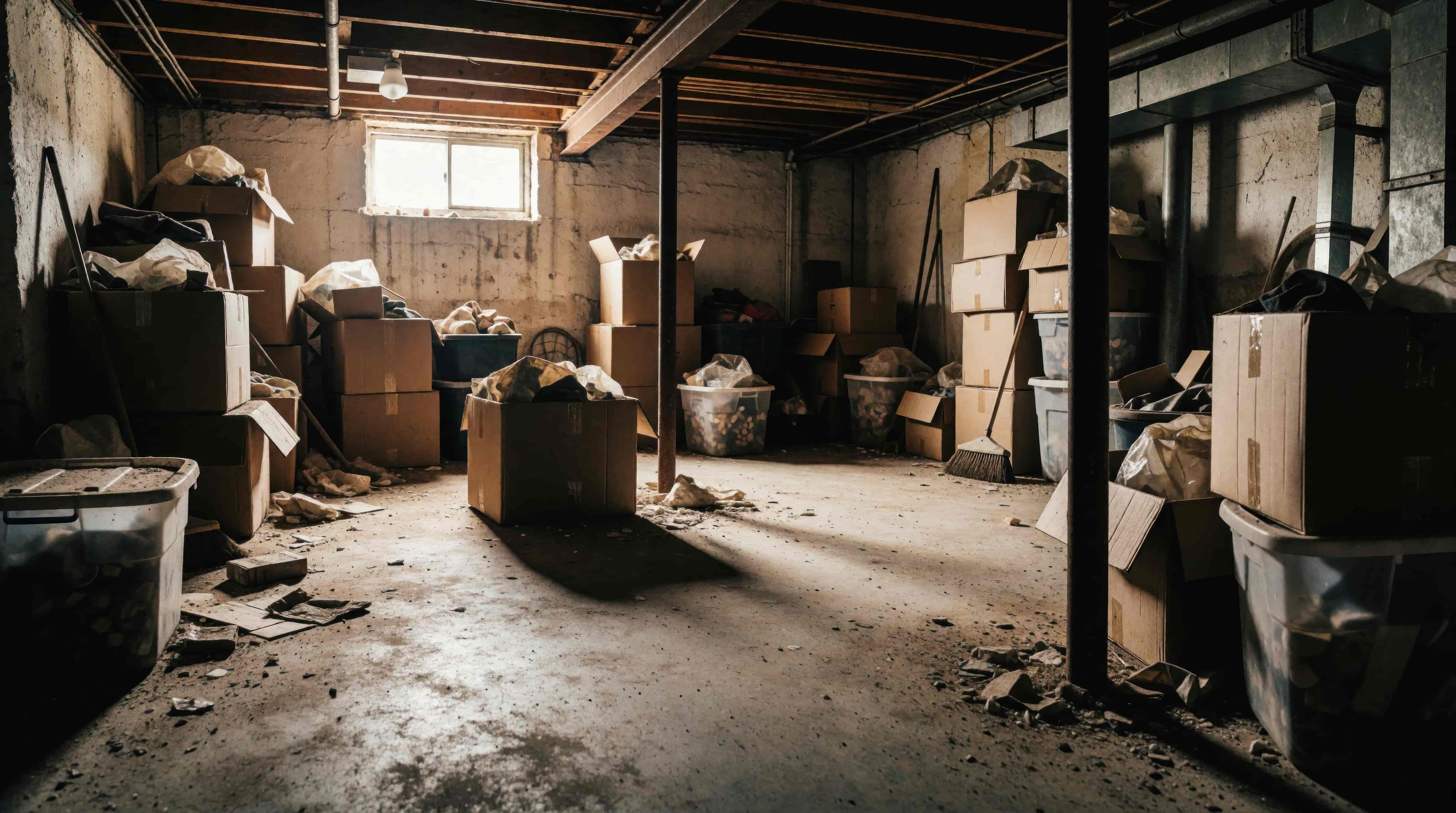
Shared hallways piled with old mattresses. Bike storage rooms crammed with broken furniture. Stairwells blocked by bags of rubbish left by former tenants. If you manage a residential block, HMO, or block of flats anywhere in London, this is probably a familiar — and frustrating — reality.
Communal area clearance is one of the most overlooked property management challenges in the capital. Yet it carries real legal weight, genuine safety risks, and significant consequences for landlords and managing agents who ignore it.
This guide covers everything you need to know: who is responsible, what the law says, how the clearance process works, what it costs, and how to prevent the problem from coming back.
Communal area clearance is the professional removal of abandoned, unwanted, or illegally dumped items from shared spaces within residential properties. These spaces include:
Unlike a standard house clearance, communal area clearance requires careful coordination — often around residents' schedules, building access restrictions, and local authority waste disposal regulations specific to London boroughs.
It might be tempting to treat a few abandoned bags or an old sofa in a hallway as a minor inconvenience. It isn't. Here's why the issue demands prompt, professional attention.
Under the Regulatory Reform (Fire Safety) Order 2005, the "responsible person" for a residential building — typically the landlord, freeholder, or managing agent — has a legal duty to keep communal areas free from fire hazards. Abandoned furniture, boxes, and accumulated rubbish in stairwells and corridors directly violate this requirement.
London Fire Brigade enforcement teams conduct inspections across the capital and can issue Enforcement Notices, Prohibition Notices, and substantial fines for non-compliance. In serious cases, criminal prosecution is possible.
Blocked corridors and stairwells obstruct the designated means of escape in an emergency. This is not just a fire safety issue — it may also invalidate your building's insurance policy if a claim arises and obstructions are found to have contributed to injury or property damage.
Accumulated waste, food packaging, and old soft furnishings attract rodents and insects. Local councils across London — from Tower Hamlets to Hammersmith & Fulham — have powers under the Environmental Protection Act 1990 to pursue landlords and freeholders for failing to maintain shared spaces to a reasonable standard.
For landlords and managing agents, neglected communal areas directly affect tenant retention, rental valuations, and the overall desirability of a building. Prospective tenants and buyers form immediate judgements based on shared spaces. A clean, well-maintained communal area signals a well-managed property.
This is one of the most common questions — and one where clarity matters enormously.
| Property Type | Responsible Party |
|---|---|
| Private rented block of flats | Freeholder or managing agent |
| HMO (House in Multiple Occupation) | Landlord / licence holder |
| Leasehold building | Freeholder or residents' management company |
| Social housing block | Local housing authority or housing association |
| Commercial-residential mixed use | Building owner / management company |
In leasehold properties, service charge agreements typically require the freeholder or management company to maintain communal areas. If tenants or leaseholders abandon items, the costs of clearance can often be recovered — but professional removal still needs to happen promptly.
Key point: Regardless of who left the items, the responsible person for the building has a legal duty to arrange their removal.
Understanding what gets left behind helps in planning an efficient clearance. In London residential blocks, the most commonly abandoned items include:
Each category may require different handling. Electrical items, for example, are classified as WEEE (Waste Electrical and Electronic Equipment) and must be disposed of through licensed channels. Fridges and freezers contain refrigerants requiring specialist removal. A professional communal area clearance team will handle all of this compliantly.
Understanding what happens during a professional clearance helps property managers set expectations and plan accordingly.
A reputable London rubbish clearance company will conduct an initial assessment — either in person or via photos/video — to scope the volume of items, identify any hazardous materials, and provide an accurate quote.
Where required, residents should be notified in advance. Access arrangements need to be confirmed, particularly in secure buildings with entry systems, lifts with size restrictions, or tight stairwells.
Professional clearance teams sort items on-site: items suitable for donation or reuse are separated from general waste, and specialist waste streams (WEEE, refrigerants, clinical waste) are segregated appropriately.
Items are safely removed from the communal area and loaded into the clearance vehicle. Teams are trained to work efficiently without causing damage to walls, banisters, floors, or lift interiors.
All waste is transported to licensed waste transfer stations. Responsible providers ensure maximum diversion from landfill — through recycling, reuse, and responsible disposal channels. You should receive a Waste Transfer Note as proof of legal disposal.
A thorough sweep and tidy of the cleared area ensures the communal space is left clean and ready for use.
Pricing for communal area clearance varies depending on volume, access, item types, and location within London. Here is a general cost framework:
| Clearance Scale | Estimated Cost Range |
|---|---|
| Small clearance (1–5 items, single area) | £80 – £200 |
| Medium clearance (1–2 van loads, multiple areas) | £200 – £500 |
| Large clearance (full block, multiple floors) | £500 – £1,500+ |
| Specialist item removal (fridges, WEEE, hazmat) | Additional charge per item |
| Same-day or emergency clearance | Premium applies |
Note: Always request a written quote from any clearance company before committing. Reputable providers will not apply hidden charges after the job. Be wary of extremely low quotes — unlicensed "man with a van" operators may fly-tip your waste, leaving you legally liable.
Not all rubbish clearance companies are equal. When selecting a provider for shared residential spaces, verify the following:
Fly-tipping is a serious criminal offence. If your clearance contractor dumps your waste illegally, you as the waste producer can be held responsible. This makes verifying waste carrier registration non-negotiable.
Clearance solves the immediate problem. Prevention stops it from recurring. Here are the most effective strategies used by experienced London property managers:
Include explicit clauses prohibiting storage of items in communal areas. Make consequences — including cost recovery for clearance — clear from the outset.
Schedule quarterly communal area inspections. Catching a few abandoned bags early is far easier and cheaper than clearing a full stairwell later.
Where space allows, designated storage areas with clear labelling give residents an authorised place to temporarily store items — reducing the likelihood of ad hoc dumping in corridors.
Simple, professional signage reminding residents of fire safety rules and prohibiting storage in communal areas acts as a deterrent and strengthens your position if enforcement becomes necessary.
Residents are more likely to flag issues and comply with rules when they trust that management responds promptly. Building a culture of communal responsibility starts with professional management standards.
Conduct thorough checkout inspections and act quickly when items are left behind. Prompt clearance prevents one tenant's abandoned belongings from becoming normalised clutter that others add to.
Beyond fire safety, there are several other legal frameworks relevant to communal area clearance in London:
If a local authority serves a notice and you fail to comply, the council can carry out the clearance themselves and recover the costs from you, plus issue a fixed penalty.
Communal area clearance is the professional removal of abandoned, unwanted, or illegally dumped items from shared spaces in residential properties, such as hallways, stairwells, bike stores, and communal gardens.
The freeholder, managing agent, or residents' management company is typically responsible for clearing abandoned items from communal areas in a London block of flats. In HMOs, the responsibility falls on the licensed landlord.
Yes. Under fire safety legislation and housing regulations, obstructing communal areas with furniture or rubbish is illegal. The responsible person for the building — not the tenant who left the items — can face enforcement action if the area is not kept clear.
Costs vary depending on volume and access but typically range from £80–£200 for small jobs to £500–£1,500+ for large-scale clearances across multiple floors or areas. Always request a fixed, itemised quote.
Many professional London rubbish clearance companies, including London Rubbish Clearance, offer same-day or next-day communal area clearance services, depending on availability and job size.
Yes. Any professional waste removal company should provide a Waste Transfer Note as proof that your waste has been legally transferred to a licensed carrier. This protects you legally and demonstrates compliance with your duty of care under the Environmental Protection Act 1990.
Where tenancy agreements contain appropriate clauses and items can be attributed to specific tenants, landlords and managing agents can seek to recover clearance costs through deposit deductions or civil claims. Legal advice is recommended in disputed cases.
If you manage a residential block, HMO, or leasehold building anywhere in London and need communal areas cleared quickly, professionally, and legally, London Rubbish Clearance is ready to help.
Our experienced team handles everything — from single-item removals to full-block clearances — with full waste carrier licensing, transparent pricing, and same-day availability across all London boroughs.
Get a free, no-obligation quote today and have your communal spaces cleared, compliant, and looking their best — fast.
London Rubbish Clearance is a fully licensed waste carrier operating across all London boroughs. We specialise in residential, commercial, and communal area clearance services.
Get a fast, free, no-obligation quote — same-day collection available across Greater London.