 07933445988
 Call Us Now!020 37450854
07933445988Call Us Now!020 37450854
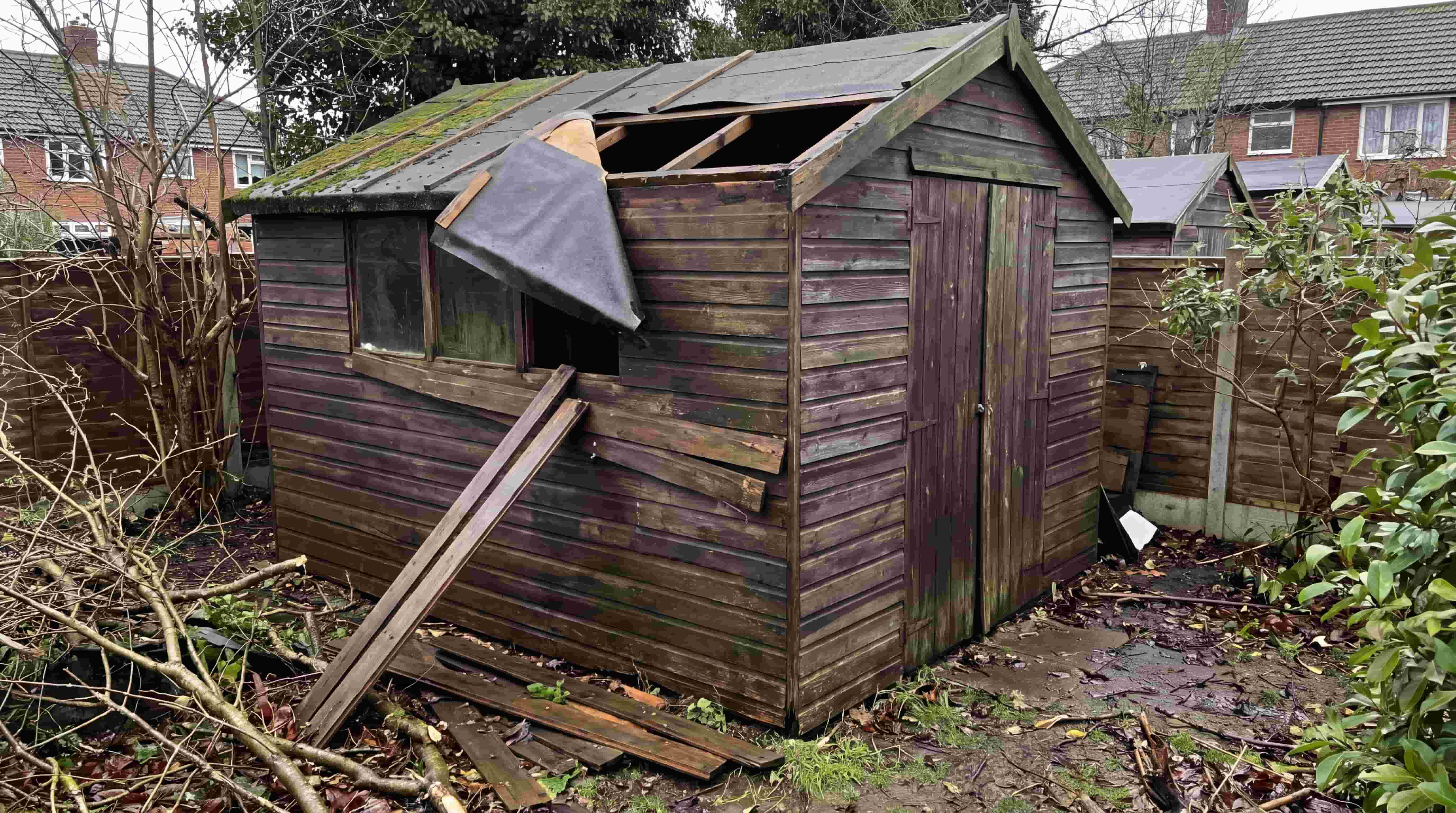
Your old garden shed has finally reached the end of its life. Whether it's rotting timber, a collapsing roof, or simply a structure that no longer fits your garden plans, removing it is the essential first step before installing something new. But garden shed removal in London is rarely as straightforward as it looks — and getting it wrong can cost you time, money, and a significant amount of frustration.
This guide walks you through everything you need to know: from planning the removal and understanding your options, to clearing the site, disposing of waste legally, and getting your garden ready for whatever comes next.
Quick answer: Garden shed removal in London typically costs £50–£350, depending on the shed's size, its contents and how much waste it creates. A professional team can collect a dismantled shed in under an hour, or dismantle it for you for an extra fee. Check pre-2000 sheds for asbestos roofing first, and only use a registered waste carrier who provides a waste transfer note.
Many London homeowners underestimate what's involved in removing an old garden shed. A standard 8×6 ft wooden shed might seem manageable for a weekend project, but consider what's often hiding beneath and around it:
Planning ahead ensures the removal is safe, legal, and leaves your garden in the best possible condition for the next chapter.
The material and construction of your shed determines how it should be dismantled and disposed of.
| Shed Type | Common Issues | Disposal Method |
|---|---|---|
| Timber/wooden shed | Rot, mould, splinters | Wood waste collection and recycling |
| Metal shed | Sharp edges, rust | Scrap metal recycling |
| Plastic/PVC shed | Panels crack easily | Specialist plastic recycling |
| Concrete/brick outbuilding | Heavy, may need machinery | Rubble and building waste removal |
| Older asbestos shed | Serious health hazard | Specialist asbestos contractor only |
If your shed was built or last re-roofed before the year 2000, there is a realistic possibility that the roofing sheets contain chrysotile (white asbestos). Corrugated asbestos cement roofing was widely used on garden outbuildings throughout the 1970s and 1980s, and all asbestos use was banned in the UK in 1999.
Do not attempt to cut, break or remove asbestos-containing materials yourself. Under the Control of Asbestos Regulations 2012, work with asbestos must be carried out by trained, properly equipped contractors, and the waste must be disposed of as hazardous waste at a permitted site. Disturbing asbestos fibres poses severe health risks, including mesothelioma and asbestosis.
If you suspect asbestos, arrange testing and removal with a specialist asbestos contractor before anything else is done. A reputable clearance company will flag this risk when it reviews photos of your shed, and can remove the rest of the structure once the asbestos has been dealt with.
DIY shed removal is possible for small, straightforward wooden structures in good condition, but it comes with real limitations — particularly in London, where disposal options are more restricted than in rural areas.
Pros of DIY removal:
Cons of DIY removal:
A professional shed removal service handles every element of the job:
For most London homeowners, the cost of a professional service is comparable to — or less than — the combined expense of skip hire, permit fees, vehicle hire, and multiple HWRC visits.
Ready to get your garden cleared? Get a free, no-obligation quote from London Rubbish Clearance and have your old shed removed quickly, safely, and affordably — same-day collection is often available.
Garden shed removal in London usually costs £50–£350. Most clearance companies, including London Rubbish Clearance, price by the volume of waste (how much of the van it fills), so the shed's size and whether it has been emptied and dismantled make the biggest difference.
| Job Type | Typical Van Load | Typical Cost (London) |
|---|---|---|
| Small dismantled shed (6×4 ft) | ¼–⅓ load | £50 – £100 |
| Medium dismantled shed (8×6 ft) | ½ load | £130 – £145 |
| Large shed (10×8 ft+) or medium shed with contents | ¾ load | £180 – £220 |
| Large shed packed with contents | Full load | £325 – £350 |
| Dismantling by the removal team | — | Extra fee, quoted on booking |
| Paint tins and gas canisters | — | From £4 each |
| Asbestos roofing | — | Separate specialist quote |
Prices are indicative and based on London Rubbish Clearance's standard load pricing. Send photos of your shed, inside and out, for an accurate fixed quote.
Understanding the process helps you prepare and know what to expect.
Most London clearance companies quote from photographs. Send clear photos of the shed inside and out, plus the route from the shed to the road, so the team can check for hazardous materials, access constraints, and the volume of waste before giving you a price.
Before dismantling begins, the shed needs to be emptied. Many professional clearance companies offer a combined shed contents and structure removal service — ideal if you also want to clear out years of accumulated garden tools, old paint, broken furniture, and other rubbish. For tips on sorting what to keep first, see our guide to clearing old tools, timber and stored items from your shed.
To keep costs down, many homeowners take the shed apart themselves and leave the pieces outside, ready for collection. If you can't, choose a service that offers dismantling (usually for an extra fee). For wooden sheds, this typically involves:
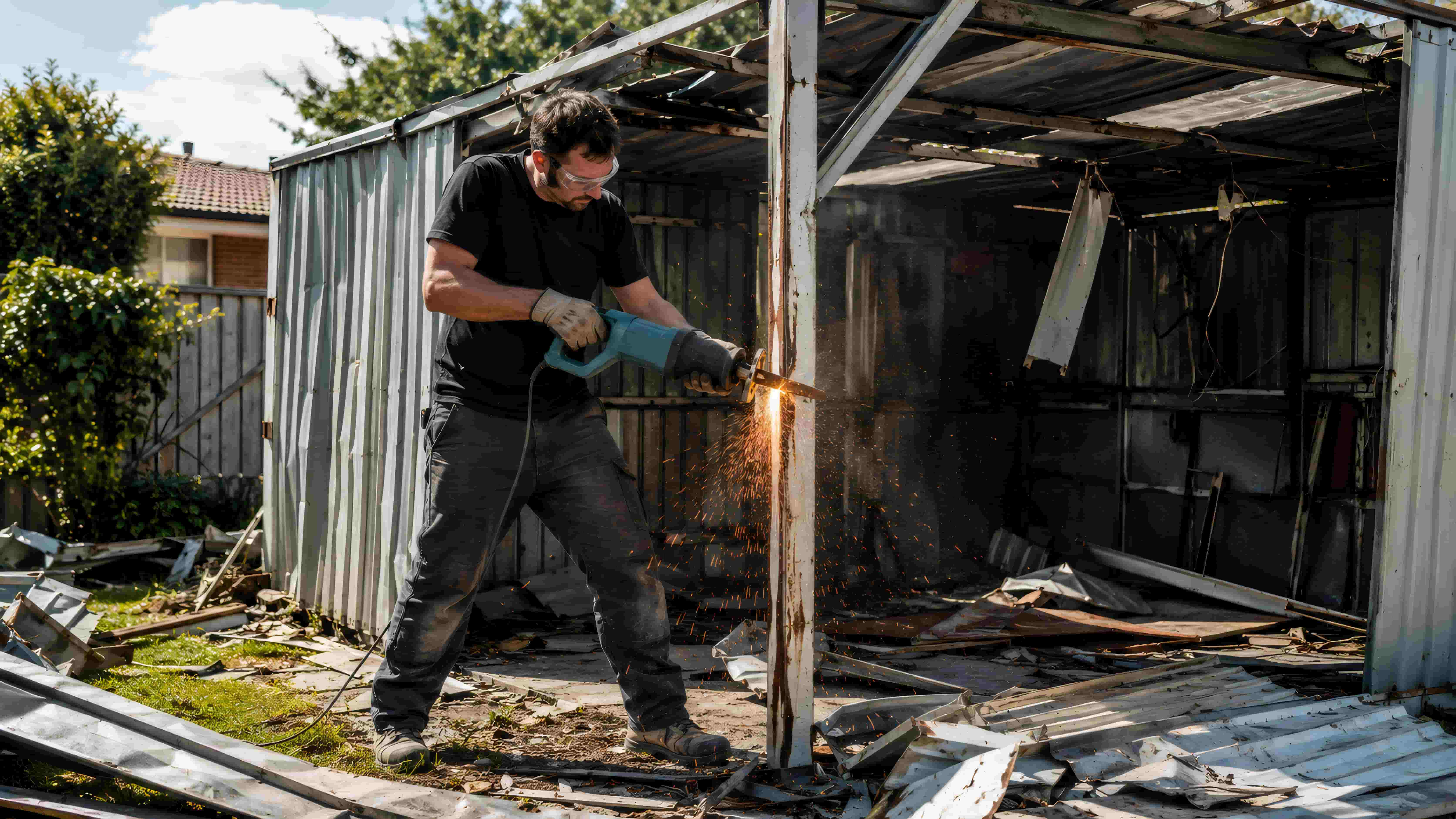
Metal sheds are disassembled panel by panel. Larger concrete or brick outbuildings may require breaking equipment.
This is often the most labour-intensive part of the job. Options include:
All materials are loaded and transported by the clearance company. A responsible operator will:
Once the old structure and base are removed, your garden is clean, level, and ready for planning the next installation.
With the old shed gone, take the opportunity to prepare the ground properly. This will extend the life of your new shed and prevent problems down the line.
The base is the foundation of a long-lasting shed. Your options:
| Base Type | Best For | Approximate Cost |
|---|---|---|
| Concrete slab | Permanent, heavy sheds | £200 – £600 (installed) |
| Paving slabs | Mid-weight sheds, DIY-friendly | £100 – £400 (materials + labour) |
| Timber frame/decking | Lightweight sheds on level ground | £80 – £250 |
| Eco/plastic grid base | Easy installation, good drainage | £60 – £200 |
Before installing any base:
In most cases, garden sheds in London fall under Permitted Development Rights and do not require planning permission, provided:
If you live in a conservation area, Article 4 Direction area, or your property is listed, you may need to apply for planning permission. Check the Planning Portal guidance on outbuildings or ask your London borough's planning department before installing a new structure.
Under section 34 of the Environmental Protection Act 1990, householders have a legal duty of care to make sure their waste is only passed to someone authorised to take it. This applies to homeowners who hire someone to remove their shed waste.
If you hire a company to remove your shed, make sure they are:
Using an unregistered "man with a van" risks your shed being fly-tipped. In England, householders who breach their duty of care can receive a fixed penalty of up to £600, or an unlimited fine if prosecuted — and dumped waste can be traced back to your property.
London Rubbish Clearance is a registered waste carrier that takes shed waste to approved recycling and disposal sites, keeping as much as possible out of landfill, across all London boroughs.
Garden shed removal in London typically costs £50–£350. A small dismantled shed is usually £50–£100, a medium shed around £130–£145, and a large shed packed with contents up to £325–£350. Dismantling, paint tins, gas canisters and asbestos are charged separately.
Collecting a shed that is already dismantled and placed outside usually takes under an hour. If the team also needs to dismantle the shed or clear its contents, allow 1–3 hours, and up to a full day for large outbuildings with a concrete base.
Yes, most professional shed removal services in London will dismantle your shed for an extra fee. Mention it when booking, and make sure the path from the shed to the road is clear so the team can work safely.
Yes, and this is often the most cost-effective option. If the base is level, intact, and the right size for your new shed, it can be reused directly. Your removal team can advise on condition.
Corrugated grey cement roofing sheets on a shed built before 2000 may contain asbestos. Assume they do until tested. Do not break or disturb them — contact a specialist asbestos contractor for testing and removal.
Yes, ideally — a standard shed removal assumes the shed is empty. If it's still full of tools, paint tins or junk, ask for shed contents clearance and send photos of the inside so it's included in your quote.
Yes. London Rubbish Clearance removes garden sheds across all London boroughs, including Bromley, Croydon, Ealing, Enfield, Hammersmith, Islington, Kingston, Lewisham, Richmond, Sutton, Tower Hamlets, and Wandsworth.
Shed removal focuses specifically on dismantling and removing the shed structure (and optionally its base). Garden clearance is a broader service that includes removing overgrown vegetation, garden rubbish, furniture, and general outdoor waste — which can be combined with shed removal for a complete outdoor transformation.
Whether you're replacing a tired old structure with a modern garden room, creating space for landscaping, or simply reclaiming your garden, professional shed removal is the fastest, safest, and most hassle-free way to get the job done.
Contact London Rubbish Clearance today for a free, no-obligation quote — just send a few photos of your shed. Our team serves homeowners across all London boroughs with fast, reliable, and affordable garden shed removal and clearance, with same-day collection often available.
📞 Call us on 020 37450854 or book online for fast garden shed removal anywhere in London.
Get a fast, free, no-obligation quote — same-day collection available across Greater London.